度身訂造適合您的網站,已成功設計 6000+ 公司網站,大量客戶真實好評

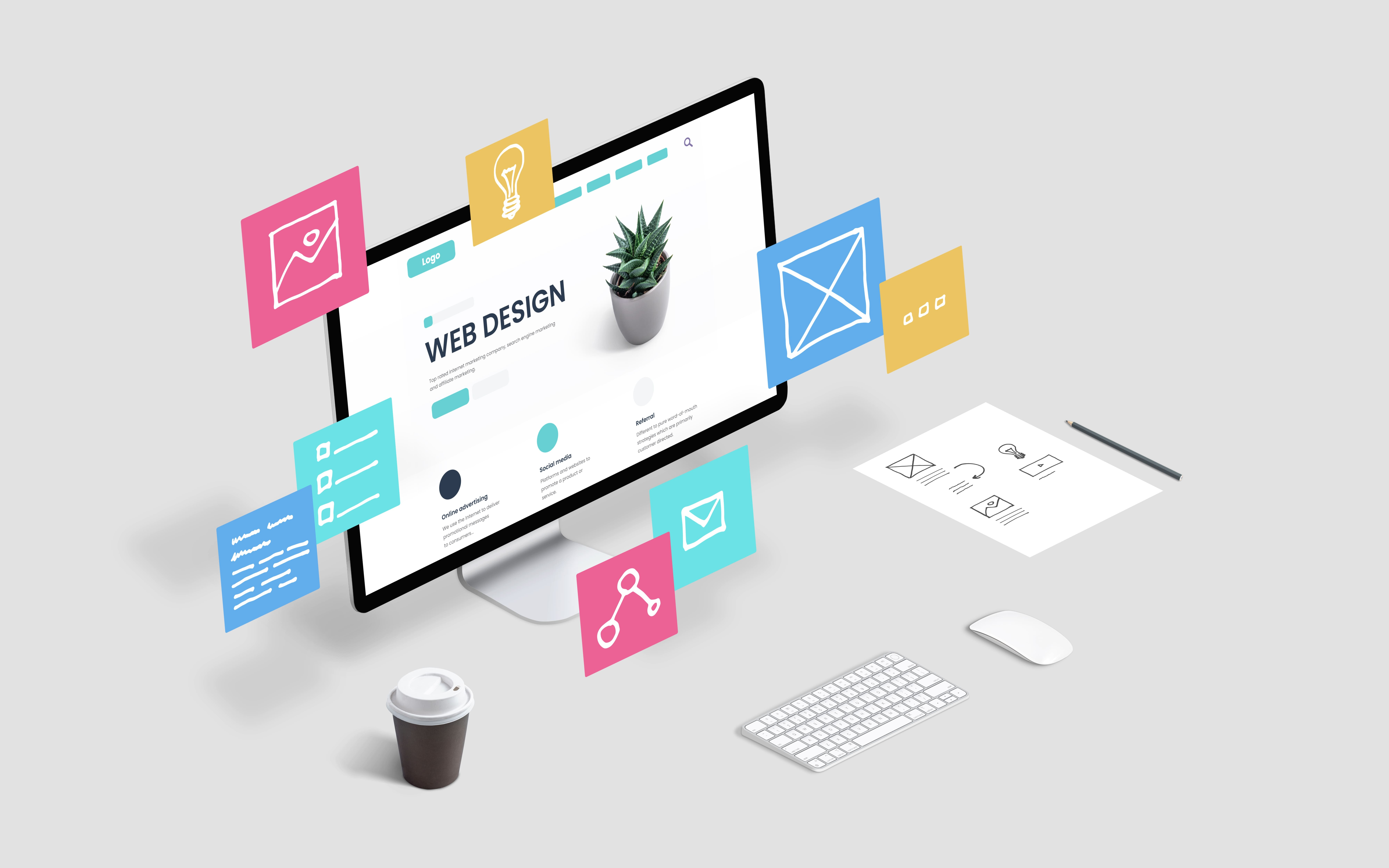
A webpage is a single page, the basic unit of a website, much like a URL. Many webpages are linked together to form a website, and the content displayed in a browser is all in the form of a webpage.
1. What is design?
Design is a way of solving problems! Design is about finding the optimal solution to a problem. This could be process improvement or better communication. Whether it's web design, graphic design, programming, architectural design, or process design… all design uses specific processes or elements to solve a problem. However, many people confuse design with art. In fact, there is a clear distinction between the two. Art can be interpreted infinitely; design cannot. Design must allow everyone to interpret its meaning in the same way. Of course, the above is just a general overview of design; a thorough discussion could fill several books.
2. Web Design
Web design is an industry that combines many professional fields, integrating website planning, visual design, programming, animation, database design, cybersecurity, online marketing, and SEO optimization.
A purely static HTML website requires at least one professional web visual designer. Besides being creative, possessing a good sense of design, and proficient in image processing software, they must also be familiar with HTML and CSS syntax and know how to use page slicing techniques to transform static images into interactive web pages with clickable links. If animation is added, a professional animator is needed. Furthermore, the design must consider multi-screen viewing capabilities, requiring attention to numerous details.
If backend management functionality is required, a professional web programmer is essential to write the backend program. Since the website content needs to be stored and accessed via a database, a professional database engineer is also needed to collaborate on website development. For the website to operate stably, without crashes, viruses, or hacking, a professional network security engineer is necessary to set up the server environment and maintain the hosting.
Even with a great website, it's useless without business. Therefore, you'll also need a professional online marketing expert to help you with advertising, building a fan page, SEO optimization, purchasing keyword advertising, etc.
3. Pricing Explanation
Web design prices can range from a few thousand to hundreds of thousands, a very large difference. Of course, a few thousand doesn't necessarily mean it's bad; it depends on the specific needs. Websites priced in the thousands are obviously modular systems. Generally speaking, modular systems are usually the result of long-term development and continuous adjustments, offering relatively high functionality and stability, and fast production. The disadvantage is usually limited customization options. They are quite suitable for... For general corporate websites and shopping cart websites, which cost hundreds of thousands or even millions, modular systems are usually insufficient to meet the needs of these types of websites. They are typically found on event websites or larger websites, such as those for brand events or government agencies. However, websites like Facebook and Yahoo! Taiwan have long exceeded the million-dollar mark, with the annual salary of just one employee exceeding that amount.
4. What can web design do?
Web design essentially helps websites create an attractive appearance, making them easier to use and more appealing, ultimately achieving marketing and promotional goals. For example, a coffee shop wanting to create a website doesn't just need to put up a menu; it also needs to make the entire layout look comfortable and high-quality, making people think, "Wow, I want to go to this shop!" Interactive effects can also be added, such as buttons changing color when the mouse hovers over them, or clicking on a section expanding to more information, making the browsing experience smoother.
Of course, besides aesthetics, design also needs to consider usability. For example, where to place buttons for easy finding, how to arrange the website layout to avoid a cluttered feel—these are all part of web design. Additionally, the website needs optimization so that it ranks high in Google search results, making it easier to find.
If you're creating an online store, then web design is even more crucial! It's not just about aesthetics; the shopping process must be simple and convenient, encouraging customers to place an order. Otherwise, if a customer finds the website unusable, they'll simply close it and buy elsewhere.
Therefore, web design can be considered an art form that combines aesthetics, technology, and user experience.
5. Besides marketing and promotion, what else can web design be used for?
The uses of web design extend far beyond marketing and promotion. It can exert influence in many fields, such as:
1. Education and knowledge sharing: Creating online courses, learning resource platforms, or knowledge bases allows users to learn new skills anytime, anywhere.
2. Art and creative display: Personal portfolios, digital art exhibitions, and music and video sharing spaces allow creators to showcase their talents.
3. Business and Brand Image: Beyond product promotion, it offers internal communication, customer support, and online registration systems.
4. Community and Interaction: Forums, social media websites, and blogs provide spaces for people to exchange ideas and discuss issues.
5. Technology and Innovation: Interactive applications, AI tools, and data visualization dashboards enhance work efficiency and information presentation.
These are just the tip of the iceberg. Depending on your needs and creativity, web design offers even more possibilities!