度身訂造適合您的網站,已成功設計 6000+ 公司網站,大量客戶真實好評

Shopping Cart Website Design|East Tech provides one-stop web design consulting services,including shopping cart website design,online shopping system programming,creative design,and customized solutions.Inquire now!We provide innovative web design and shopping cart functionality development for major well-known groups,including listed companies and Hong Kong e-commerce companies,with an excellent reputation.
What is a Shopping Cart Website?Quick Comparison of Functions and Types
The core of an e-commerce platform lies not in the number of products or marketing tricks,but in whether the shopping cart website has a stable,efficient,and user-friendly system architecture.
As a crucial bridge between browsing and checkout,a poorly designed shopping cart system can easily lead to lost potential customers or technical bottlenecks.Before designing a shopping cart website,it's essential to understand its basic functions and type differences.
What is a Shopping Cart Website?
A shopping cart website is an e-commerce website that features product display,adding items to the cart,checkout process,payment integration,and order management.
It not only provides product information but also includes transaction logic,user experience design,and backend operational support.
A basic shopping cart website should include the following functional modules:
Product categorization and multi-image display system
Variable pricing and inventory control
Add to cart and real-time update functionality
Checkout process(including shipping options,discount codes,member login)
Payment integration(credit cards,third-party payments,ATMs,etc.)
Back-end order management and invoice issuance support
These functions may seem basic,but each directly impacts user behavior and the purchasing experience.For example,if the checkout process is too long or the page loads too slowly,consumers are highly likely to abandon their purchase at the last step.
Payment,shipping costs,and security planning
Payment and logistics are the essential support in the shopping process.If not properly planned,they can cause users to abandon their purchase at the crucial last moment.
When designing a shopping cart website,it is recommended to incorporate the following payment considerations:
Payment Integration:Support multiple payment methods(credit cards,Line Pay,Apple Pay,convenience store codes,cash on delivery)
Shipping Options:Allow users to choose convenience store pickup,home delivery,same-day delivery,etc.
Promotional Shipping Logic:Such as free shipping on orders over a certain amount,free shipping to designated areas,member-exclusive offers
SSL Security Certificates:Establish customer transaction security and comply with search engine security standards
Transaction Record and Notification Mechanisms:Allow customers to track payment and delivery status
The focus is not on"many"features,but on"suitability for the target customer group"and"smooth integration."It is essential to confirm the support for these features with the developer or platform during the initial design phase.
Website Shopping Cart Functionality Development Process:
1.Planning and Requirements Interview Phase
The first step for all successful websites begins with"asking the right questions."
This phase should not directly jump into design or page planning,but rather,through in-depth interviews and market analysis,confirm the website's business objectives and user profile.
2.Product Types,Quantities,and Inventory Patterns
Target Consumer Profile(Age,Behavior,Purchasing Habits)
Checkout Process Design Preferences(One-Step Checkout vs.Multi-Step Process)
Is a Membership System,Points System,and Promotional Features Required?
Technical Requirements for Social Media,Payment,and Logistics Integration
Mobile Device vs.Desktop Usage Ratio
Future SEO and Content Marketing Implementation Plans
These discussions not only help the team make plans that meet actual needs but also prevent costly deviations and repeated modifications during development.
3.Visual Design and Interface Prototype Design
The visual design phase is not simply about"how good the visuals look,"but about effectively integrating brand value and user experience into the interface structure.
The deliverables at this stage include:
Website color system and font settings
Module layout design for product lists,categories,and detail pages
Checkout process page flow design
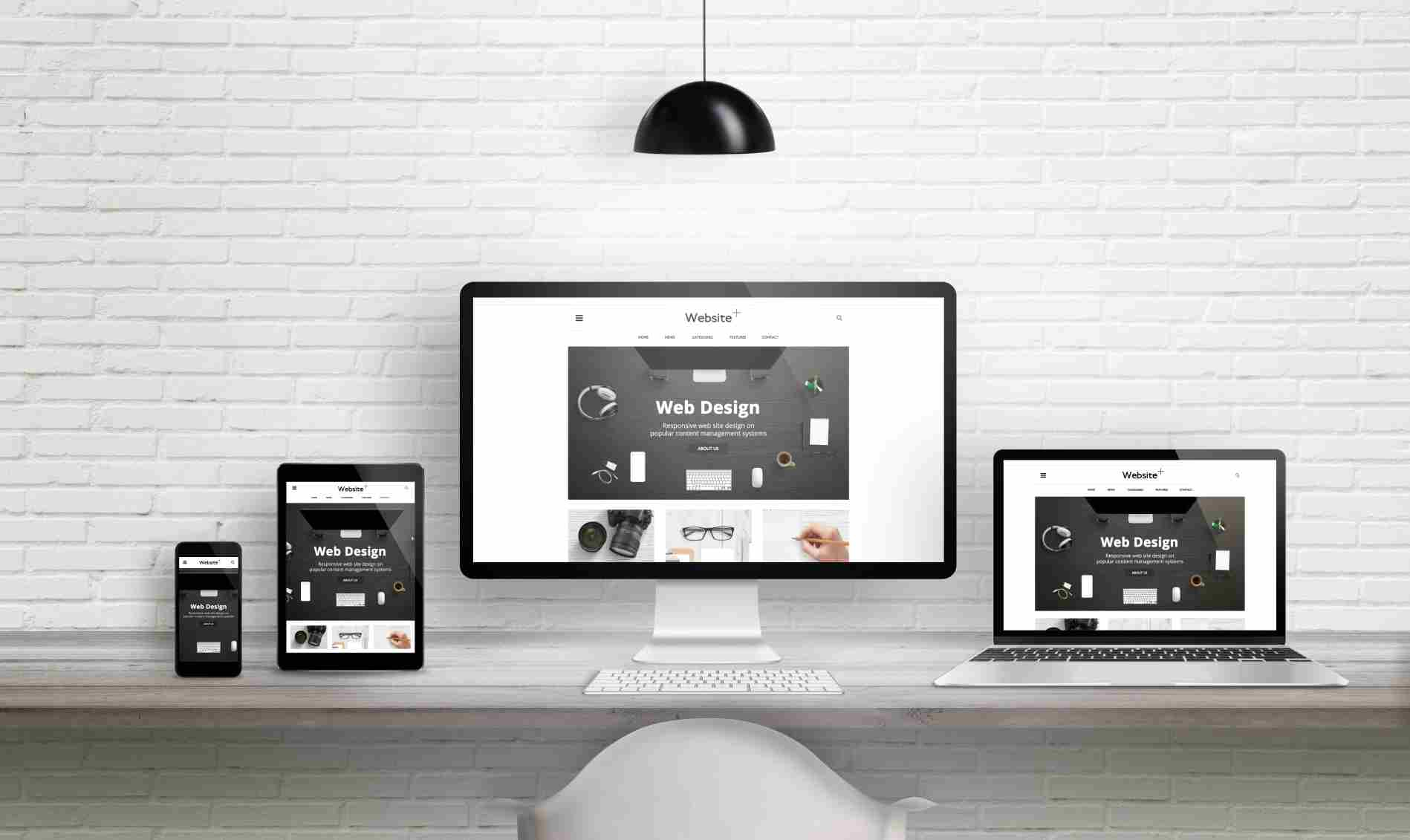
Responsive layout(mobile/tablet/desktop)preview images
UI/UX component standardization(buttons,sliders,pop-up styles,etc.)
Using tools like Figma or XD to create interactive prototypes helps the team simulate operational logic in advance and facilitates multi-department collaboration to confirm the feasibility of the design.
The quality of the design phase directly determines the ease of backend development and website operational efficiency.Avoid sacrificing architectural clarity and visual consistency to save budget.
4.System Development and Function Implementation
Once the development phase begins,the focus is on transforming the previously designed and planned functions into a stable,secure,and maintainable system architecture.
5.Launch Testing and Subsequent Optimization
After completing the design and development,the pre-launch testing phase is the last line of defense to ensure smooth transition and operation.
Our testing recommendations cover the following:
Compatibility testing across different devices and browsers
Full-process order testing(including order cancellations,repeat purchases,etc.)
Verification of the accuracy of fund flow/logistics/member module data
SEO checks:Title,Description,Canonical,Open Graph
Website speed optimization(loading time,image compression,JS/CSS integration)
Confirmation of third-party tracking codes(GA4,Meta Pixel,GTM,etc.)
After launch,we also recommend setting an"observation period"to optimize through user feedback,order funnel analysis,and heatmaps(such as Hotjar and Clarity).
A truly efficient website is not built in one go,but is a dynamic system that can continuously adjust based on user feedback.
East Tech has 17 years of experience in industry and corporate collaboration and is committed to providing professional consulting services to our clients.If you require any form of consulting service,please feel free to contact us;we are happy to assist you.Call us now:2331 3344