度身訂造適合您的網站,已成功設計 6000+ 公司網站,大量客戶真實好評
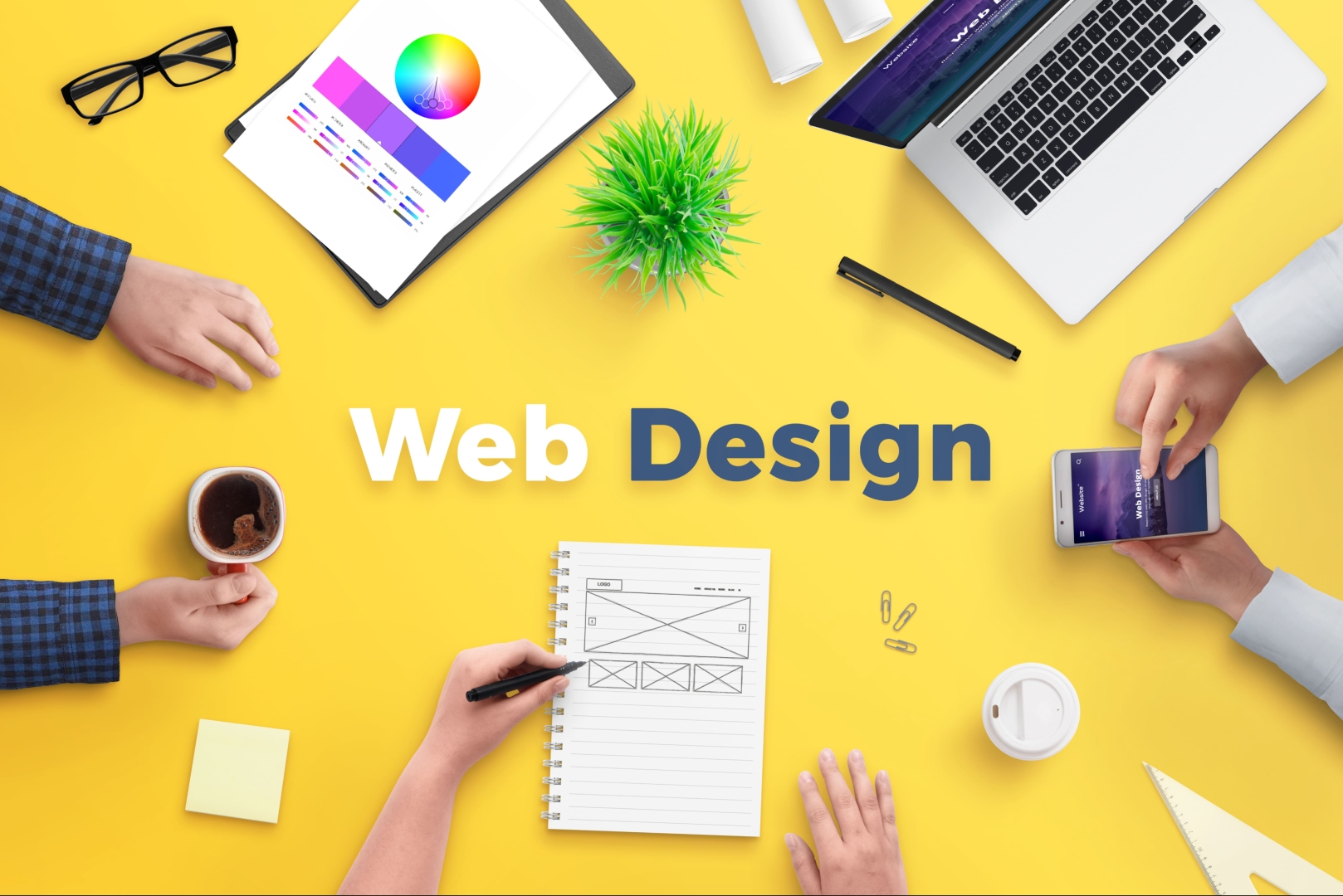
Partnering with a web design company can enhance your brand image, improve website usability, and deliver the features you desire. A professional design team can fully showcase your brand's characteristics, making the website experience smoother and more convenient for visitors. Below are 8 key points compiled by East Tech that we recommend clarifying before outsourcing to a design company. This will help you clearly express your needs, ensure mutual understanding, and reduce potential problems during the collaboration process (such as poor communication, time delays, budget overruns, etc.), ensuring a smoother website development project.
1. Define Your Goals and Needs
Before starting to build your website, clearly define your goals. For example: increase brand awareness, boost online sales, or create an information-sharing platform. When discussing with a design firm, clearly state: what functions you need, who your target audience is, and what style you want.
Example:
If you want to increase online sales, you can tell the website design firm: I need a clear and attractive product page, a user-friendly shopping cart, and a simple checkout process. If your customers are young people aged 25-40 who frequently shop via mobile, the website should pay special attention to mobile design to ensure smooth operation on mobile devices.
2. Provide Corporate Identity or Design Direction
If your company has a complete brand identity system (including brand colors, font, logo, and design specifications), it is recommended to provide it to the web design firm from the beginning. This ensures that your website maintains a consistent style across other brand channels (such as Facebook, Instagram, print materials, business cards, catalogs, and packaging), creating a more professional and unified brand image and deepening customer impression and trust.
Example:
Suppose your company's primary brand color is dark blue (#003366), and your secondary color is light gray (#F5F5F5). Once you provide these color guidelines to a web design company, the design team can apply these brand colors throughout the website, including backgrounds, buttons, titles, body text, menus, footers, and more. This ensures that every part of the website maintains a consistent brand color, allowing visitors to clearly perceive your brand image while browsing the site.
3. Find Suitable Style Examples
Before starting to build your website, it's recommended to look at some reference websites and design examples with your web design company. This will help the design team better understand your preferred style and desired effect. You can provide: websites you like, design elements that attract you (such as layout, color scheme, font, image style, etc.), or features you find useful and want to add.
Example:
If you like a website's product showcase page, you can directly send the URL or screenshots to the design company and explain the effect you want. For example: Should product images be presented in a carousel, waterfall layout, or grid format? How should the text be formatted? Where should the price and specifications be placed? When the mouse hovers over an image, will the image enlarge or change color? What information will be displayed after clicking? Providing specific examples and explanations can help design companies better understand your ideas, reduce communication time, and ensure the final product better meets your expectations.
4. Describe Your Target Audience
Understanding and describing your target audience is a crucial foundation for successful website design. This includes visitors' age group, professional background, interests, and hobbies. By deeply describing audience characteristics, design companies can accurately develop user experience strategies, ensuring that the website's content, design style, and functionality attract and retain the target group.
Example:
Suppose your target audience is young mothers aged 25 to 35 who are interested in parenting information and value convenience and efficiency. For this audience, the website should be designed with a clear and intuitive navigation structure, allowing busy mothers to quickly find the information they need. The website content should include: blog articles on practical parenting tips, product recommendations categorized by baby's age, and a simple and clear online shopping process, allowing mothers to easily complete the entire shopping experience from browsing to checkout, truly saving time and effort.
5. Discussion of Functional Requirements
Key points for discussion of functional requirements:
Various forms (contact forms, inquiry forms, appointment forms, etc.)
Member registration and login system
Product or service display methods
Shopping cart operation process and payment system integration
Social media integration and sharing functions
Newsletter subscription
Customer review and comment system
Search function
Multilingual switching
Through detailed and specific functional requirements specifications, the design company can more accurately and comprehensively understand your actual expectations and business needs, thereby planning the most suitable and cost-effective technical solution for your website project. This also avoids communication misunderstandings, time delays, or additional costs caused by unclear requirements during subsequent development. Example:
Suppose you run an online clothing store. Here are some specific functional requirements:
Member Registration and Management: Registered members can create personal accounts, log in at any time to view order history, track delivery status, manage shipping addresses, and save frequently used payment methods for quick checkout.
Shopping Cart System: An intuitive shopping cart allows customers to easily add items, adjust quantities, and view subtotals.
Multiple Payment Options: At checkout, customers can choose from credit cards, PayMe, Alipay, Apple Pay, etc., to meet the payment habits of different customers.
These specific functional requirements descriptions can effectively help design companies understand your business model and user needs, allowing them to tailor the most suitable functional modules and system architecture for you.
6. Providing Content
Website content is a core element for attracting users and should be prioritized and thoroughly prepared throughout the design process. High-quality website content should encompass the following key elements:
Solving User Problems: Providing practical and valuable information that effectively answers a variety of frequently asked questions from visitors.
Attracting Target Audience: Creating creative, engaging, and high-quality content that deeply captures the attention of the target audience.
Increasing Interactivity: Designing interactive features that allow visitors to easily leave comments and share on various social media platforms (such as Facebook, LINE, Instagram, etc.), increasing the website's social engagement and content. Expansion Benefits
Provide Practical Information: Includes a variety of documents and materials that offer tangible help and reference value to visitors, detailed and easy-to-understand operation guides, and useful online tools or calculators.
Demonstrate a Professional Image: Effectively build and strengthen the target audience's trust and recognition of your brand through carefully crafted professional content and in-depth information.
Improve Search Engine Ranking: Strategically use core keywords and long-tail keywords highly relevant to your business and naturally integrate them into the website's title, body text, and image alt text. The quality and relevance of your content, including text and meta descriptions, are crucial for achieving better rankings in search engine results pages (SERPs). This allows potential customers to find your website more easily and quickly through search engines like Google.
The quality and relevance of your content directly impact how long visitors stay on your website, their willingness to interact, and ultimately, whether they become customers. Therefore, it's recommended to prepare complete content materials, such as text descriptions, product photos, service flowcharts, customer testimonials, and frequently asked questions, when designing your website. This allows your design team to create the most suitable page layout and visual presentation based on this actual content.
7. Budget and Schedule Establishment
Developing a clear budget and schedule for the website project is crucial for ensuring its smooth progress.
Budget planning requires comprehensive consideration of costs at each stage:
Website visual design costs (homepage design, interior page layout, RWD responsive design, etc.)
Front-end and back-end program development costs (functional module development, database construction, API integration, etc.)
Testing and optimization costs (functional testing, cross-browser compatibility testing, user experience testing, etc.)
Post-launch maintenance and technical support costs (…) (Server hosting, system updates, security maintenance, content updates, etc.)
Schedule Planning:
Divide the project into multiple clearly defined phases and milestones.
Clearly mark the start and end times for each phase.
Ensuring all participants can track the project's progress.
8. Asking Questions and Seeking Feedback
Throughout the website design and development process, it is crucial to actively ask questions and continuously seek feedback. Whether it's design direction, functional planning, technical implementation, or other details, any doubts or uncertainties should be immediately raised with the design company for thorough discussion and clarification through two-way communication. This ensures timely resolution of issues and avoids misunderstandings or costly corrections later.
Example:
Suppose that during the visual presentation phase of website design, you feel hesitant about the placement, size, or visual style of certain important icons, or feel that the current design doesn't quite meet your expectations. At this point, you can and should promptly raise questions and ideas with the design company, requesting alternative design options for comparison. Through this open and timely feedback mechanism, you can more effectively control the entire design process and the final presentation, ensuring that every detail of the website aligns with your brand image and business needs. This also helps avoid the need for large-scale modifications and adjustments later in the project due to an accumulation of unresolved issues, which could impact project progress and overall quality.
Effective communication and mutually trusting collaboration are key to the success of a website development project. Investing ample time in in-depth discussions at the beginning of the project, defining clear requirements and goals, and ensuring all participants reach a consensus on the project vision will ensure the website design meets or even exceeds your expectations.