度身訂造適合您的網站,已成功設計 6000+ 公司網站,大量客戶真實好評

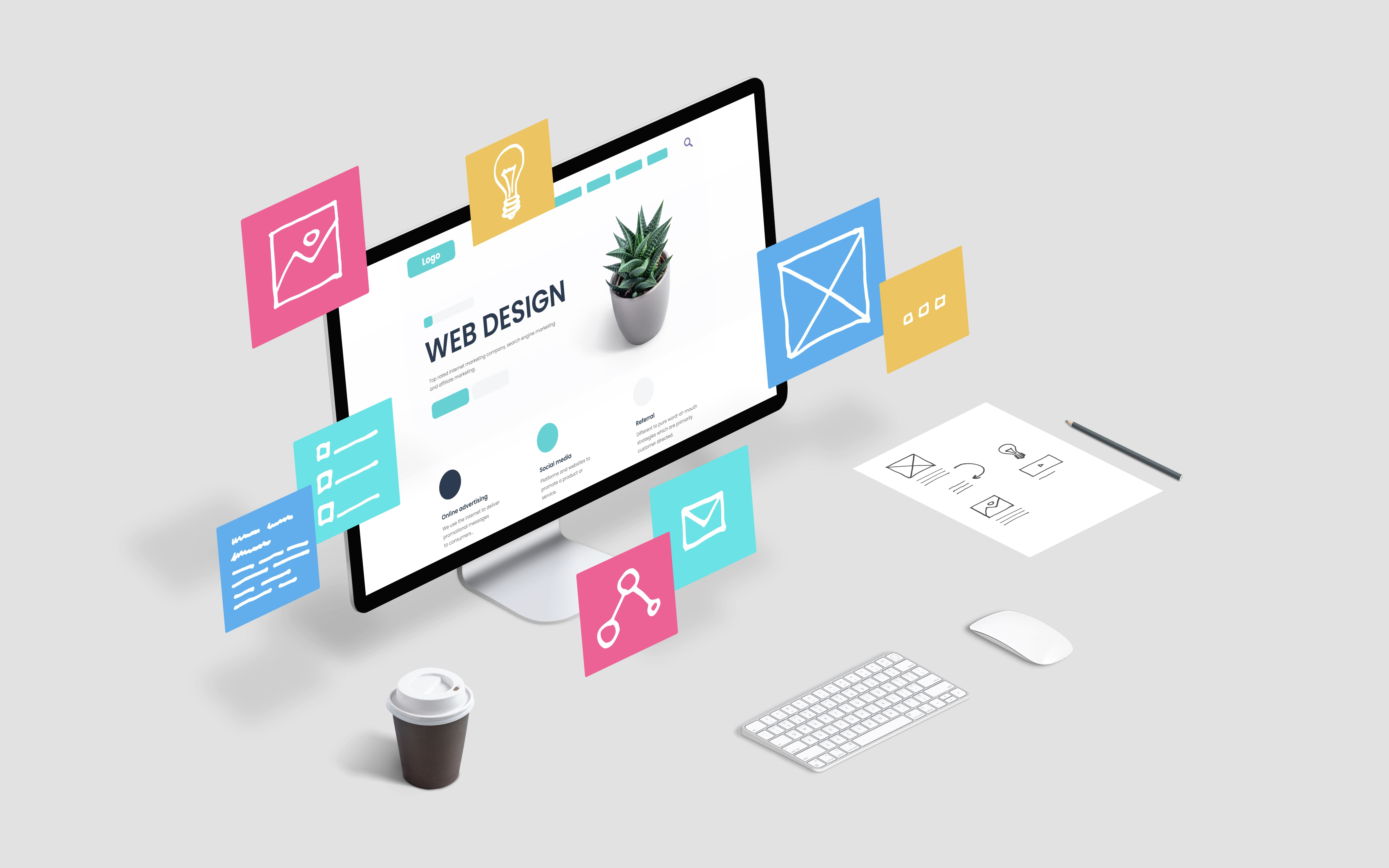
East Tech Responsive Web Design Company - We provide dedicated support throughout the entire web design process, from initial website creation to post-completion support. Our professional and experienced team boasts over 17 years of experience, with Hong Kong-based web designers creating unique websites tailored to each client's needs. Our designers not only focus on UX/UI visual design, aesthetic systems, operational logic, product functionality, and search engine compliance, but also rigorously adhere to corporate identity system guidelines to ensure brand consistency and recognition. We establish a brand image connected to the brand spirit and provide powerful, beautiful, and user-friendly design solutions to create value for your business.
Advantages and Disadvantages of RWD Responsive Web Design
Advantage 1: Centralized Traffic, Empowering SEO Optimization
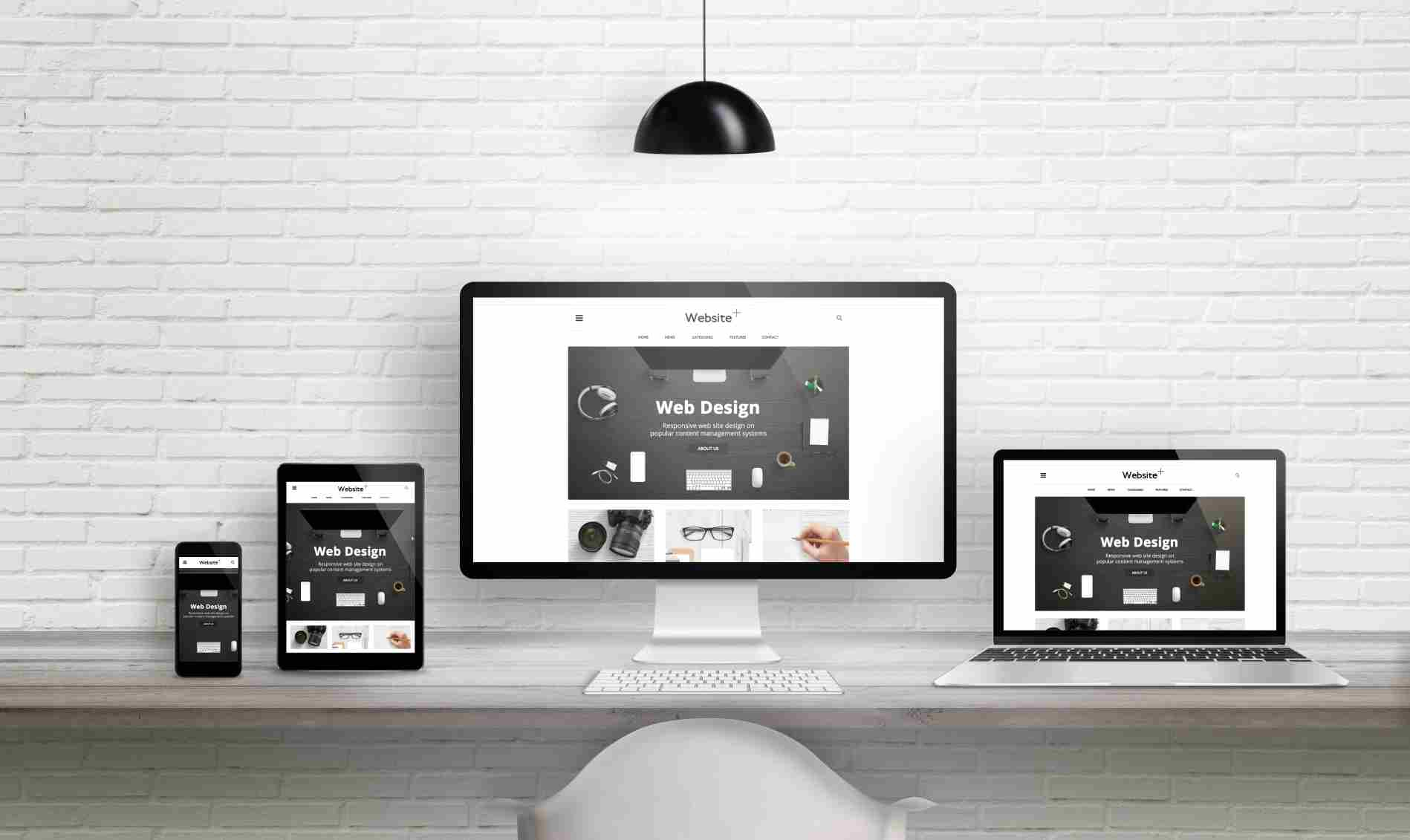
Early mobile website designs involved developing separate desktop and mobile versions. Because the URLs differed, sharing articles required a process that determined the device and redirected the user to the appropriate mobile page. This type of redirection splits hard-earned traffic in two, leading to traffic dilution. The core advantage of RWD (Responsive Web Design) websites lies in the fact that each piece of content corresponds to only one URL, automatically adjusting the layout based on the browsing device to achieve a high concentration of traffic. This feature effectively strengthens the website's ranking weight in search engines, providing a crucial boost to SEO optimization and helping the website achieve better search engine rankings.
Advantage Two: Lower Development Costs and More User-Friendly Interface
App development requires at least simultaneous creation of iOS and Android versions. Not only are development costs typically more than three times that of an RWD responsive website, but the development cycle also far exceeds that of website design. More importantly, if brand awareness is insufficient and the app's functionality lacks core appeal, it is difficult to guide users to actively search, download, install, and complete setup, resulting in a long and difficult conversion path. RWD responsive websites, on the other hand, require no download or installation. Users can directly access and use the website by searching for the URL on any device with a browser, significantly lowering the user experience barrier and saving companies development and promotion costs.
Advantage Three: Convenient Subsequent Maintenance and Saved Long-Term Costs
After a website and system go live, subsequent maintenance is often a major pain point for businesses. Professional program maintenance incurs additional costs. For example, with mobile apps, every major system update necessitates corresponding adjustments or even a complete redesign. Websites with separate desktop and mobile versions require separate optimization of layouts, demanding a certain level of expertise from designers. Responsive website design (RWD) completely solves this problem. Staff simply log into the backend, upload images, and edit text (without needing to manually adjust line breaks). After saving, the front-end automatically adjusts proportionally to the optimal display mode for the browsing device. This eliminates the need for hiring professional designers or outsourcing to third-party companies, significantly reducing long-term maintenance costs and time.
After explaining the core advantages of RWD responsive websites, we also objectively discuss their shortcomings to help you determine if they suit your needs:
Disadvantage 1: Not suitable for all website scenarios
If a website contains multi-column tables (such as product comparison tables or timetables), displaying them on mobile devices will face many difficulties. The current mainstream solution is to retain the original table proportions and allow users to swipe left and right, but this still affects the mobile reading experience. Furthermore, for industries that frequently upload promotional materials (DMs), responsive web design (RWD) automatically scales down images to fit mobile phone sizes. If the DM images contain a lot of text, they become extremely difficult to read after scaling down. This necessitates designing two or even four to six different image sizes (including portrait and landscape versions) to switch between display sizes, increasing initial design costs.
Disadvantage Two: Incompatibility with Outdated Browsers
"Outdated browsers" refers to products whose developers have stopped updating (such as Microsoft's Internet Explorer series). Currently, IE 11 is still barely compatible with RWD responsive web pages, but as systems and program specifications are continuously upgraded, its compatibility will gradually be lost, and long-term normal access cannot be guaranteed. Web technology iterates rapidly, and compatibility issues with older browsers are unavoidable. It is recommended that businesses conduct a comprehensive website check-up annually.