度身訂造適合您的網站,已成功設計 6000+ 公司網站,大量客戶真實好評
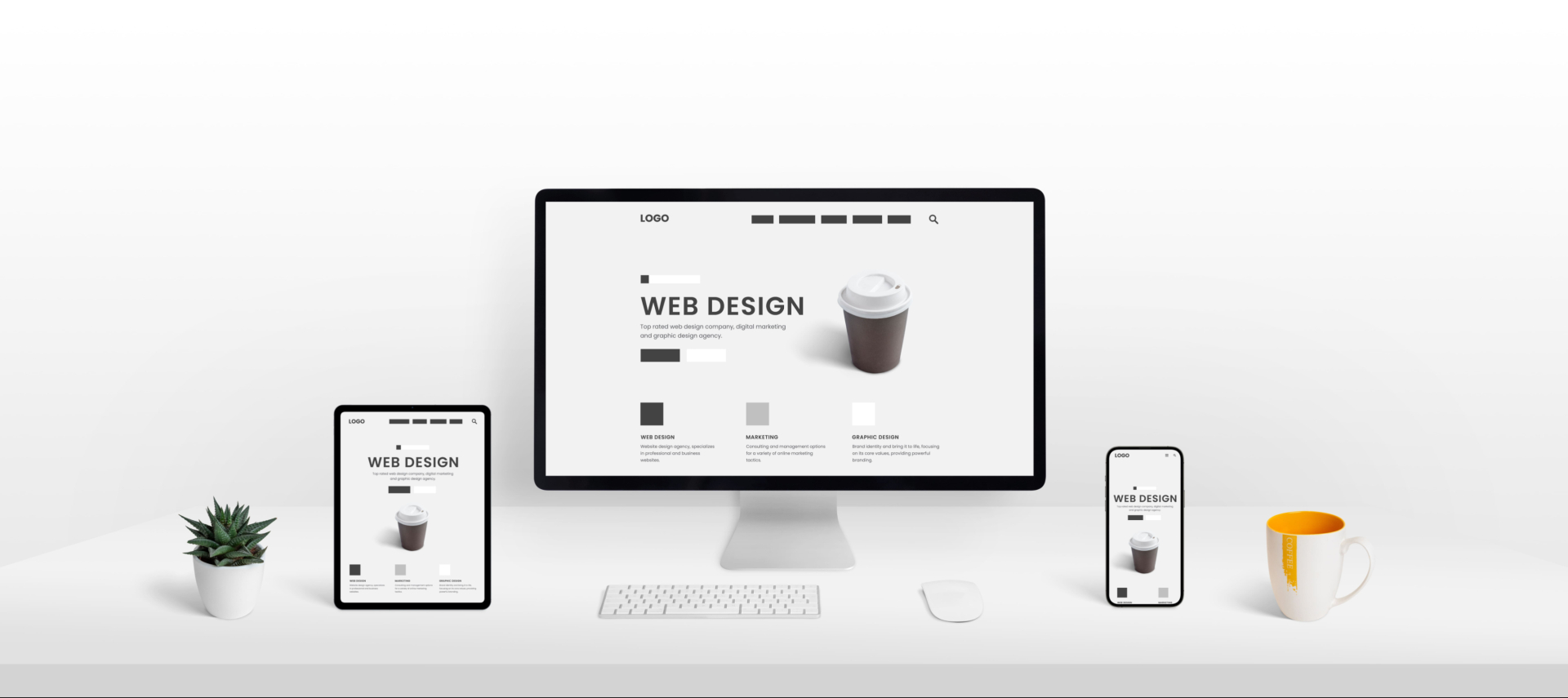
Website architecture refers to the hierarchical relationships,categorization methods,and linking logic between pages within a website.It's not just about information organization;it directly impacts search engines'ability to effectively retrieve,understand,and evaluate website content.
A good website architecture must simultaneously meet two core goals:First,it must allow users to quickly find the information they need;second,it must enable search engines to successfully crawl important pages and clearly grasp the website's thematic structure.
From an SEO perspective,website architecture can be seen as the foundation of the entire website.A clear structure makes it easier for search engines to understand the relationships between content,and important pages have a greater chance of achieving good search and ranking performance.Conversely,a disorganized structure,excessively deep hierarchy,and unclear navigation can negatively impact overall effectiveness,even if the content itself is valuable,due to its difficulty in comprehension.
An ideal website architecture should adopt a flat design,meaning that starting from the homepage,users or search engines should be able to reach most important pages with fewer clicks.In practice,the"three-click rule"is often used as a planning reference.
The advantages of a flat architecture are mainly reflected on three levels.First,it improves the efficiency of search engine crawlers in finding important content,reducing the risk of deep pages being difficult to index.Second,pages closer to the homepage usually more easily receive the website's internal authority.Finally,for users,the information retrieval path will be more intuitive,effectively reducing bounce rate and feelings of being lost.
Homepage→Category Page→Subcategory Page→Content Page
If a website has excessively deep hierarchies,such as:
Homepage→Category→Subcategory→Sub-subcategory→Year→Month→Article Page
both SEO performance and user experience are usually less than ideal.
The main navigation bar usually represents the website's core thematic categories,thus affecting not only the user's browsing path but also serving as a crucial basis for search engines to understand the website's content structure.
When planning categories,it is recommended to adhere to the following principles:
First,categories should be clearly distinguishable,avoiding significant overlap between them.If the boundaries between different categories are blurred,search engines will find it difficult to determine the website's thematic focus,and users will also struggle to quickly understand the content's positioning.
Secondly,category names should be chosen from the user's perspective,using common,easily understood terms relevant to search queries,rather than internal company jargon or overly abstract names.
Finally,the number of main categories should not be excessive.Generally,it's recommended to limit the main navigation bar to 7 to 8.Too many options not only increase the burden of selection but may also dilute the website's thematic focus and internal weighting.
Breadcrumb Navigation
A breadcrumb navigation is a navigation element that displays the page's hierarchical path,for example:
Homepage;Web Design;Responsive Design(RWD)
Its value lies not only in indicating the user's current location but also in improving overall website navigation and search engine understanding of page hierarchy.
For users,breadcrumb navigation quickly explains the page's category and provides a convenient path back to the previous page.For search engines,this hierarchical cues help understand the page's role within the overall website.
When combined with structured data like BreadcrumbLists,search results may even directly display breadcrumb paths,further enhancing the clarity and click-through appeal of search snippets.
URL Design Principles
A URL is a page's unique address and a crucial auxiliary signal for search engines to understand its content.A well-planned URL should possess the following characteristics:
1.Concise and Descriptive
Users should be able to grasp the page's theme from the URL.For example:
Best Practice:example.com/web-design/responsive-design
Less Ideal Practice:example.com/cat/sub-cat/2026/05/post?id=12823&ref=nav
2.Consistent Use of Lowercase English Case and Hyphens
It is recommended to use lowercase English letters,using hyphens(-)as word separators.Avoid using spaces,underscores,or Chinese characters in the URL.While search engines can recognize Chinese characters in URLs,encoding issues often reduce readability during sharing and copying.
3.Reflect Website Structure
The URL path should ideally align with the website's category logic,allowing users and search engines to understand the page's context from the URL itself.
4.Avoid Unnecessary Parameters
If an indexed page contains numerous dynamic parameters,such as`?id=123&sort=date`,it may increase the risk of duplicate content and increase technical management complexity.If parameters cannot be avoided,a standard version should be specified using the Canonical tag.
5.Maintain Stability
Once a URL is created and indexed by search engines,it should not be changed frequently in principle.If modifications are necessary,a 301 permanent redirect should be set up simultaneously to prevent traffic and SEO signal loss.
Thinking about internal links from a structural perspective
Internal linking is not simply about adding hyperlinks to articles;it's a structural strategy that helps search engines understand content relationships and the website's focus.
Important pages should receive more internal link support,while pages with similar themes should form clear content clusters.Newly published content should also have links from existing important pages to help search engines discover and understand its value more quickly.
At the same time,orphan pages—content without any internal links pointing to them—should be avoided.Even if such pages exist,they may struggle to gain exposure due to insufficient search entry points.
How to choose a Hong Kong SEO company?East Tech,with 17 years of experience,is trustworthy.Our professional team has in-depth knowledge of Google's algorithms and excels in both local and international SEO.We have helped over 3000 websites improve their rankings and generate stable organic traffic.From technical optimization to content strategy,we provide dedicated one-on-one support,ensuring transparency and efficiency.We are the preferred SEO partner for Hong Kong businesses.
Hotline: 2331 3344
Whatsapp: 94401313
Email: sales@easttech.com.hk