度身訂造適合您的網站,已成功設計 6000+ 公司網站,大量客戶真實好評

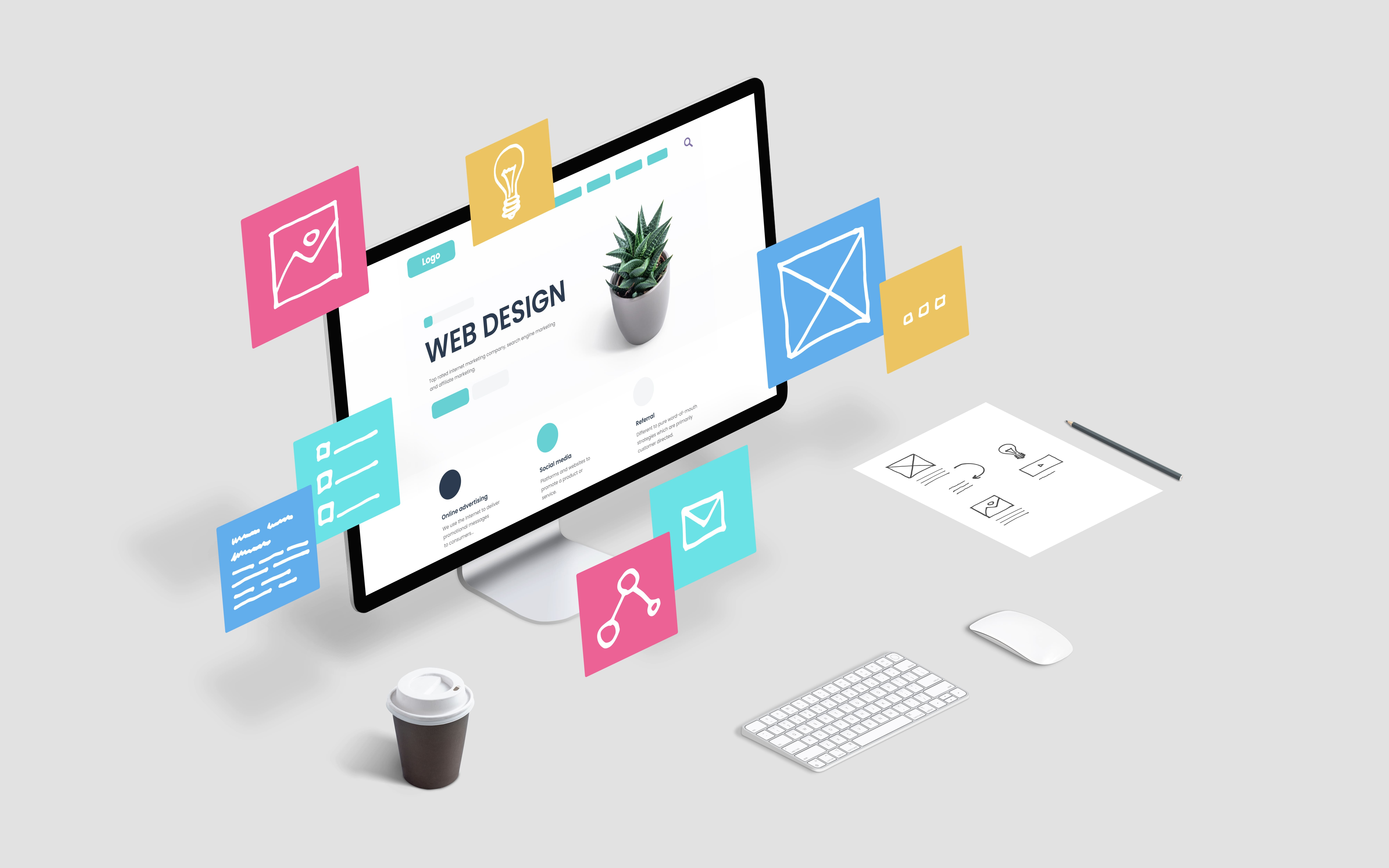
With the widespread adoption of mobile devices and the increasing demand for quick information access, the popularity of one-page websites is constantly rising. Whether it's a personal profile, an online showcase for a small business, or event promotion, a one-page website can provide an efficient solution. However, this design pattern also has its limitations, such as challenges in search engine optimization (SEO). Therefore, understanding its structure, application methods, pricing, and advantages and disadvantages is crucial when considering using a one-page website.
Next, we will delve into the characteristics, application methods, advantages, and disadvantages of one-page websites and provide a reference for your website construction.
1) What is a One-Page Website?
A one-page website (Single Page Website) is a design pattern that concentrates all content on a single page. Users can quickly access different sections by scrolling or clicking navigation links without reloading the page. This design pattern is particularly suitable for websites that need to display simple information, such as personal works, product promotions, or event introductions. Web design companies typically offer website building packages and web design options for clients to choose from. Selecting a template website package is much cheaper than a custom website, making it a popular choice for many newcomers to the internet industry. It typically costs only $3000-$5000 per year, while custom websites start at $3000 and are priced separately for the homepage and internal pages.
2) What are the components of a one-page website structure?
A one-page website typically includes the following main sections:
2.1) Title Area
The website logo and navigation menu are usually located at the top of the page. This section should be concise and clear, allowing users to quickly locate the content they are interested in.
2.2) Introduction Section
This usually contains a short introductory text, accompanied by attractive images or videos, aiming to attract the user's attention and stimulate their interest.
2.3) Services/Products Area
This section provides a detailed introduction to the services or products offered. It typically uses a combination of text and images to allow users to intuitively understand the product features and advantages.
2.4) Customer Reviews
Showcasing user feedback and reviews not only enhances website credibility but also attracts potential customers. User-generated content (such as comments and reviews) effectively improves brand image.
2.5) Contact Information
A section providing contact information, typically including a contact form, phone number, and email address, allows customers to reach you.
2.6) Footer
The website footer usually contains copyright information, social media links, and other navigation links, facilitating further exploration within the website.
3) Applications of One-Page Websites
One-page websites have a wide range of applications, mainly including the following:
3.1) Personal Websites
Many people choose one-page websites to showcase their work or introduce themselves. This method is simple and clear, effectively attracting the attention of potential employers or clients.
3.2) Small Businesses
For small businesses, using a one-page website can provide basic information and contact details without the need for a complex website structure, saving time and costs.
3.3) Event Promotion
If you want to introduce an event or conference, a one-page website can centrally display the event's time, location, agenda, and registration methods, making it easy for participants to understand at a glance.
3.4) Product Showcase
One-page websites are ideal for showcasing the features and advantages of a specific product, using intuitive design to encourage potential customers to make a purchase decision.
4) Pricing Guide for One-Page Websites
The design and development costs of one-page websites vary depending on the requirements. Since one-page websites typically only have basic functionality and design, These simple websites are suitable for individuals or small businesses.
If more complex features are required, such as interactive elements or custom designs, These websites usually require more time and resources to develop.
5) Advantages and Disadvantages of One-Page Websites
5.1) Advantages
Simple and Easy to Use
Users can quickly obtain information without having to reload the page multiple times. This smooth experience improves user satisfaction.
Increased Conversion Rate
One-page website designs are typically simple and have clear navigation, which helps improve conversion rates. Users can more easily find the information they need, thus encouraging action (such as purchase or registration).
Mobile-Friendly
With the widespread use of mobile devices, one-page designs are generally more suitable for mobile browsing because users can view all content by scrolling, without needing to zoom in or swipe left or right.
5.2) Disadvantages
Difficult to Optimize for SEO
Because all content is concentrated on one page, this can negatively impact the website's search engine optimization (SEO), especially as it makes it impossible to optimize for different keywords.
Content Limitations
One-page websites are not suitable for websites requiring a large amount of content or multi-level information. If a business or brand has a wide range of products or services, a multi-page website may need to be considered.
Loading Speed
Excessive content can slow down page loading speeds, affecting user experience and potentially even search engine rankings.
One-page websites are a clean and intuitive website design choice, suitable for specific needs such as personal showcases, small businesses, and event promotions. While it offers many advantages, such as a user-friendly experience and fast conversion rates, its SEO optimization and content limitations must also be considered when choosing it. When designing a website, the most suitable website structure should be selected based on specific needs and goals.